

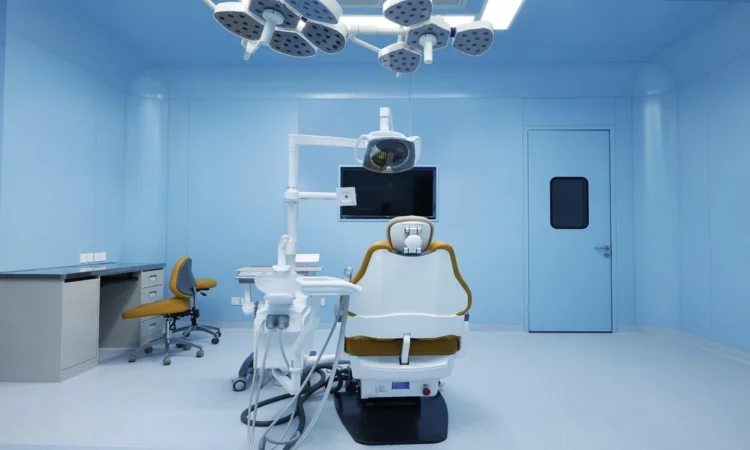
Healthcare quality is no longer measured solely by the skills of surgeons or the availability of advanced medical equipment. Today’s hospitals are evaluated on patient safety, infection prevention, operational efficiency, clinical outcomes, and compliance with international healthcare standards. As a result, many hospitals are replacing conventional operating rooms with modular ORs to create safer and more efficient surgical environments.
A modular operating room is a prefabricated surgical suite built with integrated wall panels, advanced HVAC systems, medical gas pipelines, lighting, and digital control systems. Beyond simplifying construction, modular operating rooms play a significant role in improving the overall quality of healthcare delivered by hospitals.
1. Enhancing Patient Safety
Patient safety is the foundation of quality healthcare. Every surgical procedure carries risks, including infections, equipment failure, and environmental contamination.
Modular operating rooms help minimize these risks through:
- Seamless, antimicrobial wall and ceiling panels that reduce bacterial growth
- Controlled airflow systems with HEPA filtration
- Positive pressure ventilation to prevent contaminated air from entering the operating theatre
- Easy-to-clean surfaces that support strict hygiene protocols
These features create a highly controlled surgical environment, reducing opportunities for contamination and improving patient safety throughout every procedure.
2. Reducing Surgical Site Infections (SSIs)
Surgical Site Infections (SSIs) remain one of the leading causes of postoperative complications worldwide. Infection prevention directly impacts patient recovery, hospital costs, and healthcare quality indicators.
Modular operating rooms are specifically designed to reduce infection risks through:
- Laminar airflow systems
- HEPA-filtered clean air
- Antibacterial wall materials
- Dust-free construction methods
- Proper pressure differentials between clean and adjacent areas
By maintaining cleaner air and more hygienic surfaces, hospitals can significantly reduce the likelihood of airborne contamination during surgery, supporting better patient outcomes.
3. Improving Surgical Efficiency
Healthcare quality also depends on how efficiently hospitals can deliver treatment.
Modular operating rooms integrate lighting, medical gas systems, electrical outlets, imaging equipment, and control panels into one coordinated design. This improves workflow by allowing surgical teams to access equipment more quickly and reducing unnecessary movement during procedures.
Benefits include:
- Faster operating room turnover
- Reduced equipment downtime
- Better organization of surgical instruments
- Improved communication among medical staff
Higher efficiency enables hospitals to perform more procedures while maintaining high standards of patient care.
4. Supporting Better Clinical Outcomes
A well-designed surgical environment contributes directly to better clinical results.
Stable temperature, humidity, airflow, and air cleanliness help create ideal operating conditions for surgeons. Reduced environmental distractions allow medical teams to focus entirely on patient care.
Hospitals using modern modular operating rooms often report improvements in:
- Lower complication rates
- Reduced postoperative infections
- Shorter recovery periods
- Increased patient satisfaction
- Better surgical precision
These improvements collectively raise the overall quality of healthcare services provided by the hospital.
5. Helping Hospitals Meet International Standards
Modern healthcare facilities must comply with increasingly strict regulations and accreditation requirements.
Modular operating rooms can be designed to meet international standards such as:
- ISO cleanroom classifications
- HTM (Health Technical Memorandum) guidelines
- NFPA fire safety requirements
- Local healthcare construction regulations
Compliance helps hospitals demonstrate their commitment to quality while simplifying certification and inspection processes.
6. Increasing Reliability and Long-Term Performance
Unlike conventional operating rooms that often require extensive renovations over time, modular systems are designed for durability and easy maintenance.
Their modular construction allows hospitals to:
- Replace individual wall panels without major reconstruction
- Upgrade medical equipment with minimal disruption
- Expand operating room capabilities more efficiently
- Reduce maintenance downtime
This flexibility ensures that hospitals can continuously improve healthcare delivery without interrupting critical surgical services.
7. Enhancing the Patient Experience
Although patients spend limited time inside the operating theatre, the quality of the surgical environment influences their overall healthcare journey.
A cleaner, quieter, and technologically advanced operating room increases confidence in the hospital’s capabilities. Improved infection control and smoother surgical processes also contribute to faster recovery and fewer complications, enhancing patient satisfaction.