
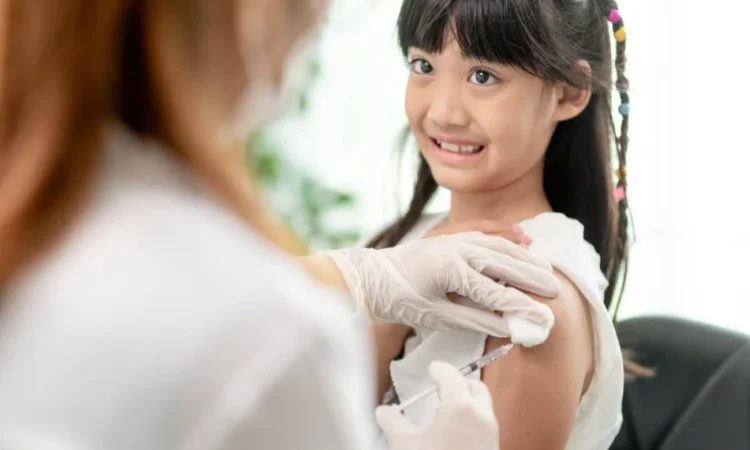
Parents often have questions about children’s NCIS vaccinations. Understanding the purpose of the schedule, what vaccines are included, and what to expect can make appointments easier and less stressful.
In Singapore, the National Childhood Immunisation Schedule (NCIS) outlines recommended vaccinations from birth through adolescence. The schedule is regularly reviewed by the Ministry of Health in consultation with the Expert Committee on Immunisation.
What Are NCIS Vaccinations?
The NCIS is a national schedule that sets out when children should receive specific vaccines. Depending on the child’s age, the schedule includes protection against tuberculosis, hepatitis B, diphtheria, tetanus, pertussis, polio, Haemophilus influenzae type b, measles, mumps, rubella, and pneumococcal disease. Human papillomavirus vaccination is also recommended at the appropriate age.
NCIS childhood vaccinations are given at different stages because protection may need to be built through several doses and later strengthened with booster doses. Following the recommended timing helps children receive protection when they need it.
When Should Children Receive Their Vaccines?
The schedule begins at birth, when BCG and the first hepatitis B dose are typically given. Further vaccinations are recommended during infancy, including doses of combination vaccines, pneumococcal vaccination, and later MMR and varicella vaccination.
Additional doses and boosters are given as children grow. The current NCIS covers children from birth to 17 years, so parents should keep track of vaccinations beyond the toddler years.
The exact childhood NCIS vaccination schedule can depend on a child’s vaccination history and circumstances. Parents should check their child’s records and speak with a healthcare professional if they are unsure which dose is due.
What If My Child Misses a Vaccination?
Missing a scheduled appointment does not necessarily mean that a child must restart the entire vaccination series. A healthcare professional can review the child’s records and determine whether catch-up vaccination is appropriate.
Parents should avoid delaying further doses. Bringing the child’s immunisation record to the next appointment can help the healthcare provider establish what has already been given and what remains due.
Are Vaccinations Safe for Children?
Vaccines used in Singapore undergo testing for safety and effectiveness before approval and licensing. Like medicines and other medical interventions, vaccines can cause side effects, but most reactions are mild and temporary.
Common reactions can include soreness, redness or swelling where the injection was given. Some children may also experience a slight fever, tiredness, reduced appetite, headache, nausea, vomiting, or diarrhoea. Parents should seek medical advice if symptoms persist or their child becomes unwell.
Children’s NCIS vaccinations are intended to provide protection while keeping the risks associated with vaccine-preventable diseases lower. Parents can discuss allergies, previous vaccine reactions, or medical conditions with the healthcare provider before vaccination.
Are Any Vaccinations Compulsory?
Singapore requires children residing in the country to be vaccinated against measles and diphtheria under the Infectious Diseases Act. This requirement is separate from the broader list of vaccinations recommended under the NCIS.
Because requirements and recommendations can change, parents should refer to official guidance and maintain accurate immunisation records.
How Can Parents Check Vaccination Records?
Parents can view their child’s immunisation records through HealthHub using Singpass. Keeping these records up to date can make it easier to identify missed doses and prepare for upcoming appointments.
Children NCIS vaccinations may be provided through polyclinics and participating CHAS GP clinics, depending on eligibility and the vaccine involved. Singaporean children are eligible for full subsidies for specific brands of nationally recommended vaccines at these facilities.
What Should Parents Do Before an Appointment?
Parents can prepare by checking the child’s vaccination history, noting any previous reactions, and informing the healthcare provider about medical conditions or allergies. It can also help to explain vaccination to children in simple, reassuring language.
After vaccination, parents should follow the healthcare provider’s advice and observe their child for any concerning symptoms. Mild reactions generally settle without complications, but persistent or severe symptoms should be assessed by a medical professional.
Conclusion
Understanding children’s NCIS vaccinations can help parents keep their child’s immunisation schedule on track. The NCIS provides a structured approach to protecting children against several serious vaccine-preventable diseases from infancy through adolescence.
If parents are unsure about a missed dose, upcoming vaccination, side effect, or eligibility for subsidies, a healthcare professional can review the child’s records and provide advice based on their individual circumstances.