
You might already know you want to change your smile, but the hard part is figuring out what to show your dentist so the plan feels accurate, personal, and worth the cost. That uncertainty gets heavy fast. You do not want to spend time and money on a result that looks good on paper but does not feel like you. A strong smile plan is not built on a quick glance alone. It is built on records that show how your teeth look, how they function, and what matters to you day to day, whether you are exploring cosmetic changes or researching same day tooth extraction Bloomfield NJ.
That is where personal records help. Photos, older dental images, bite information, and your own notes about what bothers you can give a family and cosmetic dentist a much clearer picture. Good planning is not just about shape and shade. It is about comfort, speech, facial balance, and making sure the final result fits your life. The American Dental Association explains how case presentations rely on clear records and communication because treatment decisions are easier when both sides can actually see the same concerns.
Personal dental records make smile planning more accurate
People often come in with one simple goal. They want straighter teeth, whiter teeth, less gum showing, or a fix for worn edges. Then the details start to matter. Maybe your front teeth chip because your bite hits unevenly. Maybe a tooth that looks dark has a history of trauma. Maybe old crowns still function well and changing them all at once would push the cost too high. Without records, those issues can stay hidden until treatment is already moving.
Smile design records reduce that guesswork. They help your dentist compare what you see in the mirror with what is happening underneath. They also make it easier to avoid treatment that looks fine at first but causes strain later. Research on digital smile planning continues to show that records improve diagnosis, communication, and treatment acceptance because patients can understand the plan more clearly when it is tied to real images and measurements from their own mouth and face. You can read more in this review of digital smile design and treatment planning.
Four types of personal records that support cosmetic dental planning
1. Current facial and smile photos
A close photo of your teeth is useful, but it is not enough on its own. Full face photos at rest, smiling, and speaking can show lip position, tooth display, symmetry, and how much gum tissue shows. That matters because a tooth shape that looks perfect in isolation may look too long, too square, or too bright once your whole face is in view. If you have old photos where you liked your smile more, those can help too. They give your dentist clues about what changed and what you want back.
2. Previous dental records and treatment history
Old treatment records can explain a lot. A past crown, bonding repair, orthodontic work, root canal, or injury changes how future treatment should be planned. If you have before and after photos from earlier dental work, bring them. If a tooth has already been restored several times, a conservative option may not last as long as you hope. If you had braces before and teeth shifted back, retention needs to be part of the conversation this time.
3. X rays and other diagnostic images
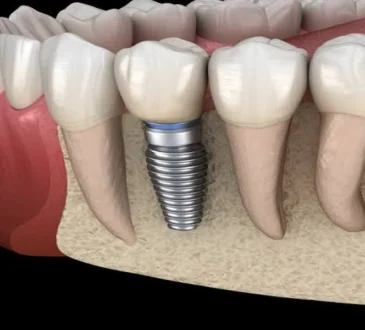
Smile planning is not just surface level. X rays can show bone levels, tooth roots, impacted teeth, decay under old restorations, and other problems that would affect the final plan. The ADA offers a clear overview of dental X rays and radiographs, including why they help dentists find conditions that are not visible during a standard exam. If you are considering veneers or whitening but one front tooth has deep internal discoloration or a root issue, that changes the best path forward.
4. Bite records and personal symptom notes
Your bite affects appearance more than most people realize. Worn edges, flattening, chipping, jaw soreness, tension headaches, and clenching can all shape a smile plan. Bite records, scans, or impressions help show how your teeth meet. Your own notes matter too. If you notice pain in the morning, avoid chewing on one side, or feel self conscious when talking because certain teeth show too much, say that clearly. That information helps connect function with appearance, which is the heart of cosmetic dental planning.
Comparing the records that guide dental smile planning
| Record Type | What It Shows | Why It Matters |
|---|---|---|
| Facial and smile photos | Tooth display, lip line, symmetry, smile width | Helps design a result that fits your face, not just your teeth |
| Previous dental records | Past restorations, trauma, orthodontic history | Prevents surprises and helps estimate longevity and cost |
| X rays and diagnostic images | Roots, bone support, hidden decay, internal tooth issues | Protects you from planning cosmetic work over untreated problems |
| Bite records and symptom notes | Wear patterns, alignment, clenching, discomfort | Supports a plan that looks good and functions well |
Small steps can make your smile consultation much more useful
Gather what you already have. Look for old dental records, recent X rays, phone photos of your smile, and any notes from past treatment. Even incomplete records can help. If another office has them, request copies before your consultation.
Write down what bothers you and what you like. Be specific. “My front teeth look short in photos” is more useful than “I do not like my smile.” If there is one feature you want to keep, include that too. This helps shape dental smile planning around your actual goals instead of generic cosmetic trends.
Talk about function, not just appearance. Mention clenching, headaches, tooth sensitivity, speech concerns, or a bite that feels off. A cosmetic result that ignores those symptoms can fail sooner, cost more later, and leave you frustrated.
A better smile plan starts with the right records
You do not need to walk into a consultation with everything perfectly organized. You just need enough information to help your dentist see the full picture. Photos show how your smile fits your face. Old records explain your history. X rays reveal what the eye cannot see. Bite records and personal notes connect beauty with comfort and function.
If you are considering treatment with a family and cosmetic dentist, bring the records you have and be honest about what you want to change. That is often the difference between a plan that looks generic and one that actually feels right for you.