
You do not plan for a chipped tooth during dinner, a child waking up with swelling, or a weekend toothache that turns into a frantic search for help. Dental emergencies usually start small, which is why Florence dental care can make a difference. A missed cleaning, a cavity that did not hurt yet, bleeding gums you meant to ask about later. Then one day it is no longer a small issue. It is pain, time off work, a scared child, and a bill you did not expect.
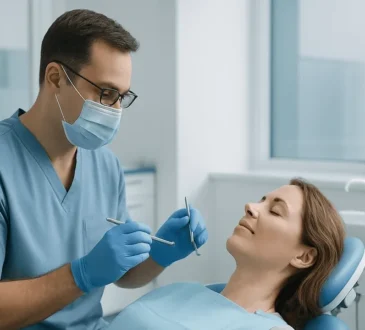
That is where the role of family dentistry in preventing dental emergencies becomes clear. A family dentist does more than clean teeth and fill cavities. Ongoing care helps catch weak spots early, lower the risk of infection, protect developing teeth, and teach each person in your home how to avoid the kind of problems that send people into urgent care.
Family dental care reduces emergencies before they start
Most dental emergencies are not random. They build over time. Tooth decay deepens, old fillings crack, gums become infected, and bite problems put pressure on already stressed teeth. Children may have early decay that moves fast. Adults may ignore sensitivity because life is busy. Older family members may deal with dry mouth, worn teeth, or medications that raise cavity risk.
A family dentist sees those patterns across ages and stages. That matters because prevention is not one-size-fits-all. A six-year-old who needs sealants does not need the same care plan as a parent who grinds their teeth at night. A teen in sports may need a custom mouthguard. A grandparent with gum recession may need more frequent monitoring. When one practice follows your family over time, small changes are easier to spot, and treatment usually stays simpler.
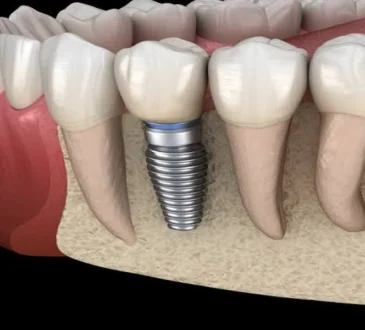
The importance of family dental care shows up in the problems you avoid. A tiny cavity found at a routine visit may need a filling. The same cavity left alone may lead to an abscess, swelling, severe pain, or a root canal. Gum inflammation caught early may improve with better home care and cleanings. Ignored for months, it can turn into infection, loose teeth, and emergency treatment.
The financial side hits hard too. Preventive visits are predictable. Emergencies rarely are. When pain becomes urgent, you are often paying for more complex care, rearranging your schedule, and trying to make decisions under stress. That pressure leads many families to delay even longer, which usually makes the final treatment more involved.
Prevention also includes what happens at home. The CDC outlines practical oral health prevention habits that lower risk, including fluoride use, daily brushing and flossing, healthy eating, and regular dental visits. Those basics sound simple because they are, yet they are often the line between routine care and an emergency appointment.
Regular dental visits help prevent common urgent problems
Preventive family dentistry works because it deals with the most common causes of dental emergencies before they become painful. Exams can catch decay under old dental work. X-rays can reveal infection that is not visible yet. Cleanings remove buildup that fuels gum disease. Fluoride strengthens enamel. Sealants protect the grooves in back teeth where children often get cavities.
Trauma is part of the picture too. A family dentist can lower the risk of sports injuries with mouthguards and teach you what to do if a tooth gets knocked out. Quick action can make a real difference. Recent guidance highlighted by the University of Florida shares how to save a knocked out tooth, including handling it by the crown and seeking care fast. In a true emergency, knowing those steps ahead of time matters.
Public health research supports this preventive approach. The CDC has also published data on improving oral health through preventive care and access, reinforcing what many families already learn the hard way. People who stay connected to routine dental care are more likely to catch disease earlier and less likely to need urgent intervention.
Prevention costs less stress than emergency treatment
| Situation | Preventive Approach | What Often Happens Without It |
|---|---|---|
| Small cavity | Routine exam finds it early, simple filling | Deep decay, pain, infection, root canal or extraction |
| Child with deep grooves in molars | Sealants and fluoride lower decay risk | Fast moving cavities, missed school, urgent treatment |
| Night grinding | Custom night guard protects teeth from cracks and wear | Broken tooth, jaw pain, emergency repair |
| Bleeding gums | Cleaning and home care changes control inflammation | Gum infection, loose teeth, pain and swelling |
| Sports participation | Mouthguard reduces injury risk | Chipped or knocked out tooth, urgent trauma care |
This is the practical value of a family dentist. You are not only treating what hurts today. You are reducing the chance that something will hurt badly next month.
Three steps you can take now to lower your family’s emergency risk
1. Schedule routine exams before anyone has pain. If someone in your home waits until a tooth hurts, the problem is usually no longer small. Keep regular visits on the calendar for children, teens, adults, and older relatives.
2. Pay attention to early warning signs. Sensitivity, bleeding gums, bad breath that lingers, jaw soreness, white or brown spots on teeth, and loose fillings all deserve attention. Pain is a late sign. Do not wait for it.
3. Build a home routine that matches real life. Brush twice a day with fluoride toothpaste, floss daily, limit frequent sugary snacks and drinks, and ask about sealants, fluoride treatments, mouthguards, or night guards if they fit your family’s needs. The best plan is the one your household will actually follow.
Steady family dental care brings peace of mind
Emergency dental visits are stressful because they interrupt everything at once. Your time, your budget, your comfort, and your sense of control all take a hit. A trusted family dentist helps you stay ahead of that. Regular care does not remove every risk, but it lowers the odds of preventable pain and gives you a clear place to turn when something unexpected happens.
If your family has been putting off routine care, this is a good time to book a visit with a family dentist and get ahead of the next problem before it becomes an emergency.