

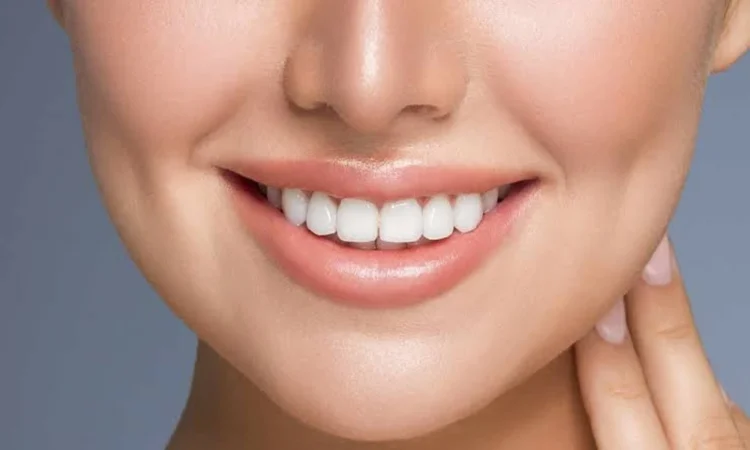
Most cosmetic choices can be undone. Hair grows out, whitening fades, a filling can be redone. Interest in veneers in singapore has risen partly because the results look so immediate in photographs, yet this is one of the few cosmetic dental treatments that may involve a step with no return. A helpful way to think it through is to sort every part of the decision into two columns: what can be reversed later, and what cannot.
The Column That Cannot Be Undone
To make room for a thin shell without the tooth looking bulky, the dentist commonly removes a fine layer of enamel from the front surface. Enamel does not regenerate. Once it has been reduced, that tooth will need a covering of some kind for the rest of its life. The amount varies from almost nothing to a significant fraction of a millimetre depending on the case. Ask to be shown, on a model, how much is planned for you.
The Column That Can
Colour, to a degree, is adjustable before the shells are bonded. Shape can be trialled. Composite resin applied directly can sometimes be added with little or no drilling, and in those cases removal later is more feasible. Whitening and minor orthodontic alignment sit entirely in the reversible column and may achieve enough on their own. A careful practitioner mentions these first, since choosing the least invasive route that satisfies you is sound dentistry.
Porcelain: What You Gain and Give
Ceramic shells are made in a laboratory from impressions or scans and fitted at a later visit. They resist staining from coffee, tea and curry far better than resin and keep their gloss for many years. In exchange they cost more, usually need more preparation, and if one fractures it is replaced, not patched. They are also slightly harder than natural enamel, which matters if you grind. For a patient wanting a lasting change to several front teeth, they are the usual recommendation.
Composite: The Lighter Commitment
Resin is sculpted onto the tooth in one sitting and hardened with a light. It is quicker, less costly and often kinder to enamel. It also picks up stains, loses polish and chips more readily, so it needs maintenance and periodic renewal. For a young adult, a small chip or a single dark tooth, it can be the wiser start. A clinic’s page on porcelain and composite veneer options ought to present both fairly instead of steering everyone to the dearer one.
Mouths That Should Wait or Choose Otherwise
These shells are bonded to enamel, so they depend on having enough of it. Teeth that are heavily filled, badly worn or decayed may be better served by crowns. Untreated gum disease must be settled first. Severe crowding or a strong bite problem is an orthodontic matter, and masking it with ceramic means removing more tooth than is sensible. Habitual grinders risk fractures. An honest assessment sometimes ends with advice not to proceed, and that is worth respecting.
Rehearsing the Result
Because the change is hard to reverse, try it on first. Many dentists build a wax version on a model of your teeth, then transfer it to your mouth in temporary material so you can see the proposed length and outline in a mirror, speak with it and photograph it. Digital previews are useful but flatter than reality. Take the trial home in your mind for a few days. Changing the plan at this stage costs little; afterwards it costs a tooth surface.
Choosing a Shade You Can Live With
The brightest tab on the shade guide rarely suits a real face. Teeth that are much whiter than the eyes or out of keeping with skin tone look artificial, and the lower teeth, usually left untreated, will not match. If you plan to whiten, do it before the shade is selected, because ceramic will not lighten later. Ask to see the shade in daylight near a window, not only under the surgery lamp.
The Day of Bonding and the Weeks After
At the fitting visit each shell is tried in, checked for fit and colour, then cemented. Speak up before the cement goes on if anything looks wrong; afterwards it is too late. Some sensitivity to cold is common for a short time. The bite may need small adjustments at a review. Avoid biting directly into very hard foods with the front teeth, and tell the dentist if any edge feels sharp or catches floss.
Living With Them for Years
No such covering is permanent. Porcelain may last a long time with care, composite less so, and both eventually need replacing as gums change and edges wear. Brush and floss as normal, since decay can still begin at the margins. A night guard protects against grinding. Budget for renewal at some point in the future. This recurring cost belongs in the irreversible column too, because once enamel has been reduced, opting out is no longer possible.
Weighing the Two Columns
Lay the columns side by side. If whitening, alignment or a little resin would satisfy you, start there and keep your options open. If the goal truly needs ceramic, insist on a trial, a written estimate including future replacement, and a clear statement of how much enamel will go. Take a second opinion if anything feels rushed. Considered in this way, veneers in singapore become a deliberate choice made once, with open eyes, and not an impulse.