
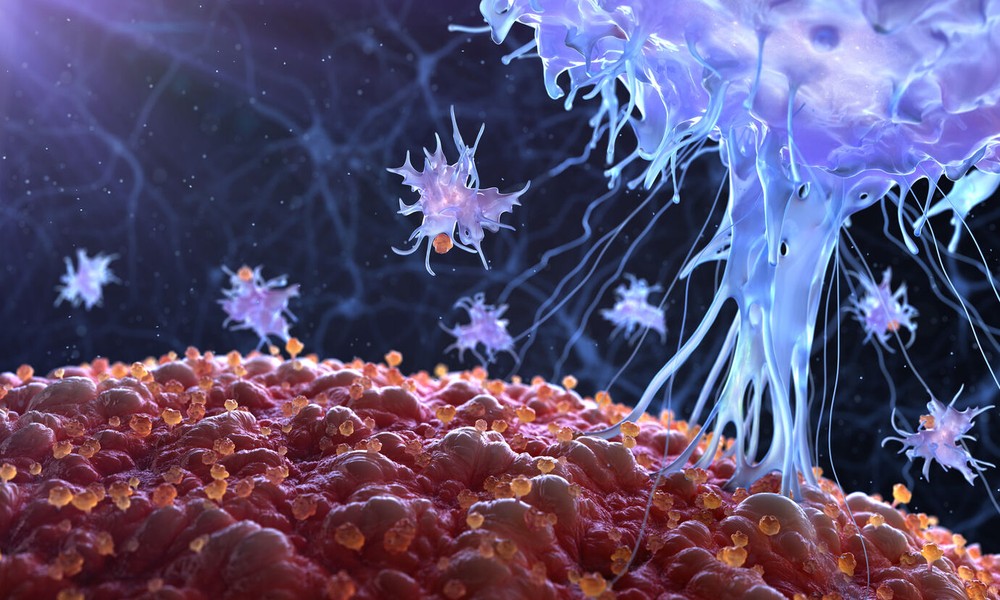
Your immune system is powerful. Every day, it fights infections, heals wounds, and protects you. But what prevents it from crossing the line?
And here is where the regulatory T cells enter. These cells have a peacemaker role − keeping your immune system in check, preventing it from attacking its own body.
What Are Regulatory T cells?
Regulatory T cells are form of T-type cell (an immune system cell). Their primary responsibility is simple yet essential − the control.
They help:
- Stop the immune system from overreacting
- Stop attacks on healthy tissues
- Maintain balance after infections
If they are not present, your immune system can spiral out of control.
Why Balance is So Important?
This is a good immune response. Yet an excess of it can do a lot of damage.
This is where regulatory T cells come into play. When they are done with the job they calm things down. They are like the “off switch” that helps stop the immune system after it has been activated.
This balance, when disrupted, causes the body to attack itself. This may lead to autoimmune conditions.
This balance, even when small bio-events happen, takes a long time to affect the overall health. Sustaining the immune system should be given the same weight as strengthening the immune system.
How These Cells Operate Behind the Curtain?
No sensation of regulatory T cells − yep. They run true background like, without making any noise.
Their role includes:
- It sends signals to slow down immune reactions
- Blocking harmful inflammation
- Supporting long-term immune stability
They don’t fight directly. Instead, they control the fighters.
What to Expect When They are Not Working Properly?
If those regulatory T cells become too weak or too few, that can lead to problems.
Possible effects include:
- Increased inflammation
- Higher risk of autoimmune diseases
- Difficulty controlling immune responses
Conversely, overactivity can lead to excessive immune system suppression. This can make it more difficult to fight off infections.
Balance is everything.
Factors That Influence Their Function
There are many common factors that can affect regulatory T cell activity.
These include:
- Diet and nutrition
- Stress levels
- Sleep quality
- Exposure to infections
Sound practices also assist in the work they perform, which helps keep your immune system running smoothly.
Supporting Your Immune Balance
Your body does not need complicated routines to be assisted! Regulatory T cells can be supported naturally with simple steps:
All these habits keep your immune system in charge.
Final Thoughts
It is not simply matter of fighting it out-it is about balance. That balance pivots on the activity of regulatory T cells.
They don’t attack you, they dominate you − that is how they defend you. If not, your body might create antibodies against itself.
And although they may not get much notice, regulatory T cells serve arguably the most critical role in monitoring your health − quietly, steadily, and powerfully.