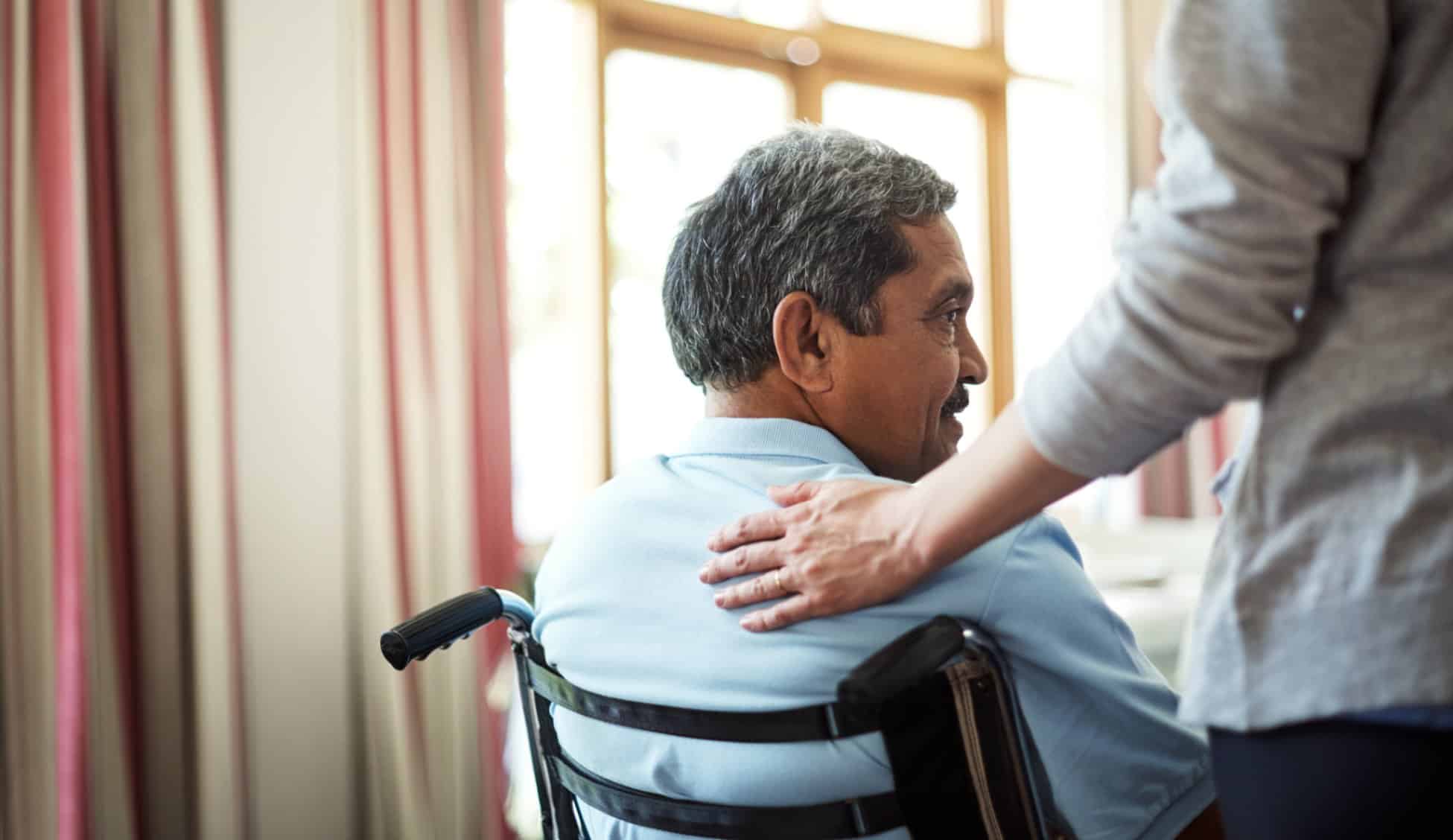


The population of Americans 65 and older is projected to increase from 58 million in 2022 to 82 million by 2050. By 2035, older adults are expected to outnumber children under 18 for the first time in U.S. history. Behind these numbers are real families: grandparents managing health changes, adult children coordinating care from near or far, and loved ones striving to do the right thing while feeling overwhelmed.
As a nationally recognized elder‑care expert and longtime advocate for reimagining how we support older adults, I have spent more than thirty years guiding families through these choices. My guiding principle is straightforward: quality elder care preserves dignity, honors individuality, and protects autonomy. There is no universal solution.
Below are six senior‑care and longevity trends for 2026, and what they mean for your family:
1. Aging in Place 2.0
Most seniors want to remain in their homes as long as possible. What’s changing is how achievable that wish has become. Smart‑home technologies, fall‑detection systems, and remote monitoring tools are making home life safer for people with health challenges. Wearables track vital signs and activity; motion and door sensors can alert caregivers to unusual patterns; and telehealth has shifted from novelty to routine, moving many appointments from clinic to couch.
For grandparents, these advances support independence without compromising safety. For adult children, particularly those who live far away, they deliver greater peace of mind.
2. From Lifespan to Healthspan
The conversation is shifting from merely extending life to extending quality of life.
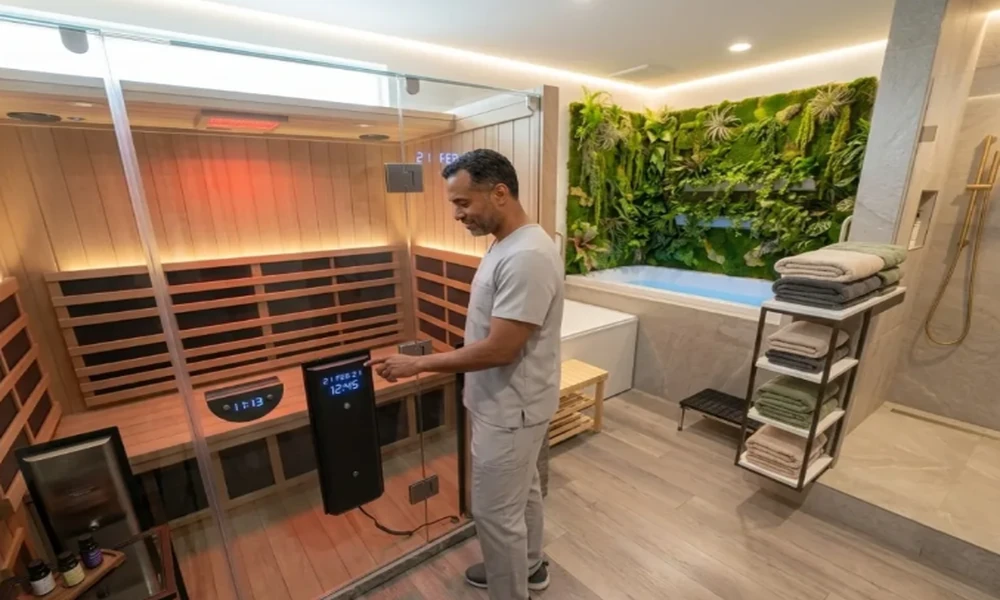
Providers increasingly integrate wellness into care with tailored fitness programs, targeted nutrition, mental‑health supports, and cognitive training. Social isolation is being recognized as a health hazard, linked to higher risks of dementia, depression, and cardiovascular disease.
For families, that means “good care” now goes beyond clinical tasks; it includes companionship, purposeful activity, and emotional well‑being as core elements.
3. Hybrid & Flexible Care Models
While aging in place remains a priority, many older adults outlive their savings, prompting creative, cost‑sensitive alternatives. Hybrid models, combining home care, adult‑day programs, community supports, and short stays in senior housing, are on the rise. Smaller, boutique care homes that feel more residential than institutional are gaining traction.
These blended approaches offer families more than the binary choice of “stay at home” or “move to a facility,” enabling tailored mixes of safety, social engagement, and affordability.
4. The Quiet Fear of Aging
A less visible but growing trend is anxiety about aging. Many older adults fear losing autonomy or becoming a burden; their children worry about making the wrong decisions. Those fears often prevent necessary conversations about wills, care preferences, and contingency plans, delays that complicate crises when they occur.
Acknowledging this fear is crucial; the next step is turning anxiety into action through planning and support.
Recognizing and naming this fear is the first step. The next is getting support that turns vague worry into a concrete, realistic plan.
5. Preparation as the Remedy
Practical tools reduce fear. My book, Everything You Need to Know About Me, offers a compassionate, straightforward way to record essential personal and care information so loved ones and caregivers know what to do if someone can’t advocate for themselves. Membership programs like the Reframe Assurance Membership deliver ongoing planning support and year‑round guidance. With a plan in place, uncertainty diminishes and confidence grows.
6. Care Coaching as a Lifeline
Navigating elder care involves many moving parts. A Care Coach can be invaluable, assessing needs, crafting plans, arranging and coordinating services, advising on funding long‑term care (including insurance and personal resources), and providing emergency and health care planning and coordination.
To older adults and their families: you don’t have to navigate this alone or by guesswork. The senior‑care landscape is evolving rapidly, and with the right guidance and preparation you can protect dignity, preserve independence for as long as possible, and create a future that feels intentional and secure for you, and for the generations who will follow.
About the Contributor:
This article has been provided by Princella Seymour, Founder & CEO of Complete Elder Solutions
Princella Lewis Seymour is a nationally recognized expert on elder care solutions and an advocate for revolutionizing elder care. For over thirty years, she has guided thousands of families through the emotional journey of aging with compassion and clarity.