
Leg cramps may be even abrupt, acute, and difficult to disregard. These can be in the exercise period, when resting or even in the sleeping process. In case they continue to come back, the leg cramps treatment is initiated by the easiest health measures and established everyday. Most people would be trying to push the pain away but cramps are a demand by your body to support you.
Important things to know about leg cramps treatment
What are leg cramps?
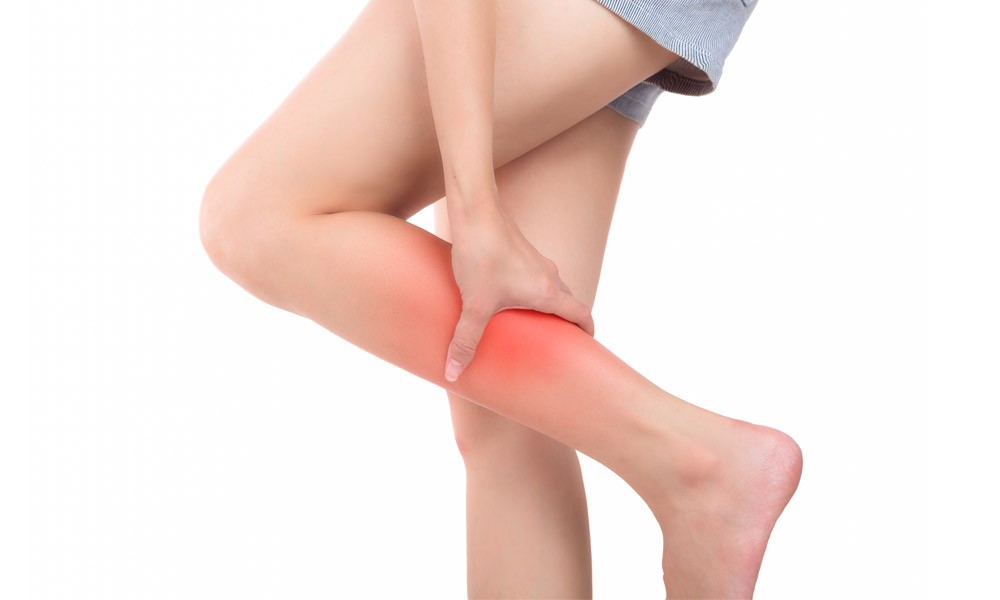
Leg cramps are sudden painful contractions of the muscles, tight, and painful. They tend to influence the calf muscles but may affect the thighs or the feet as well. A cramp may take only a few seconds or even a few minutes. Even when the spasm is eliminated, the muscle can be sore.
Usual locations of leg cramps occur
- Calf area – This is a very hard-working muscle which is able to contract soon when fatigued or dehydrated.
- Foot muscles – Small muscles are likely to cramp caused by tension, change of position, or lack of support.
- Thigh muscles – Muscle strain and excessive use may result in deep cramping of the upper leg.
Symptoms of leg cramps
Leg cramps are normally characterized by distinct signs and occur without much notice. They can be experienced by some individuals during exercise although others experience them when they are asleep.
These are the common symptoms to be observed:
- Sudden tight pain – This is sudden and rapid contraction of the muscle, which produces intense sharp pain making the leg hard to move.
- Hard muscle feeling – The cramped area is tight and firm to the touch, almost touching the skin as a lump.
- Restricted movement – The stretching or walking can be very painful until the muscles have relaxed completely.
- Night time wake ups -Most of the cramps occur during the sleep and may disrupt rest and recovery.
What causes leg cramps?
Leg cramps are a complication caused by the contraction and inability of muscles to relax. This normally occurs when the muscle is fatigued, dehydrated, or experiences shortage of important minerals. There are a number of health triggers that have been known to amplify the frequency of cramps.
Common causes of leg cramps
- Dehydration – Low water content can decrease performances of the muscles and most importantly, cause abrupt tightening of the legs.
- Mineral imbalance – Low potassium, magnesium, or nutrient calcium can expose the muscles to muscle impairment and induce muscle cramps.
- Muscle overuse – Long distance walking, standing or strenuous exercises may overwork muscles and lead to fatigue cramps.
- Poor blood flow – Reduced flows can reduce oxygenated blood to muscles and expose them to risk of cramping.
- Long periods of sitting – Remaining stationary excessively long has the effect of stiffening up muscles and predisposing them to making them spasm.
Leg cramps treatment: how to stop cramps fast
Fast aid is important when one is experiencing a cramp as the experience can be very painful. It is aimed at the relaxation of the muscle and normalizing blood flow. These quick and safe steps can begin with.
Stepwise measures to take emergency relief
- Gentle stretching – Regulate the tight appearance of the cramped muscle by slowly stretching it in order to facilitate the natural and restful swinging of the muscle.
- Slow walking – Walk slowly and this helps to prevent the contraction and will hasten the circulation.
- Massage the area – Firm rubbing enhances increased blood circulation and helps to release the muscle without a startling motion.
- Apply warm compress – Heat causes the tense muscle fibers to relax and the leg is less tight.
- Switch to cold pack – Cold will help the pain after the cramp is over and soothe inflamed muscle tissue.
Conclusion
The leg cramps are painful though can be handled with minimal health oriented measures. The most effective cramp treatment of the leg consists of immediate relief measures as well as daily routine, such as water intake, stretching, and healthy diet. Medical assistance is the most vulnerable when the cramps are common or extreme.