

Understanding the Benefits of Physical Therapy in the Financial District
The Science Behind Physical Therapy: How It Works
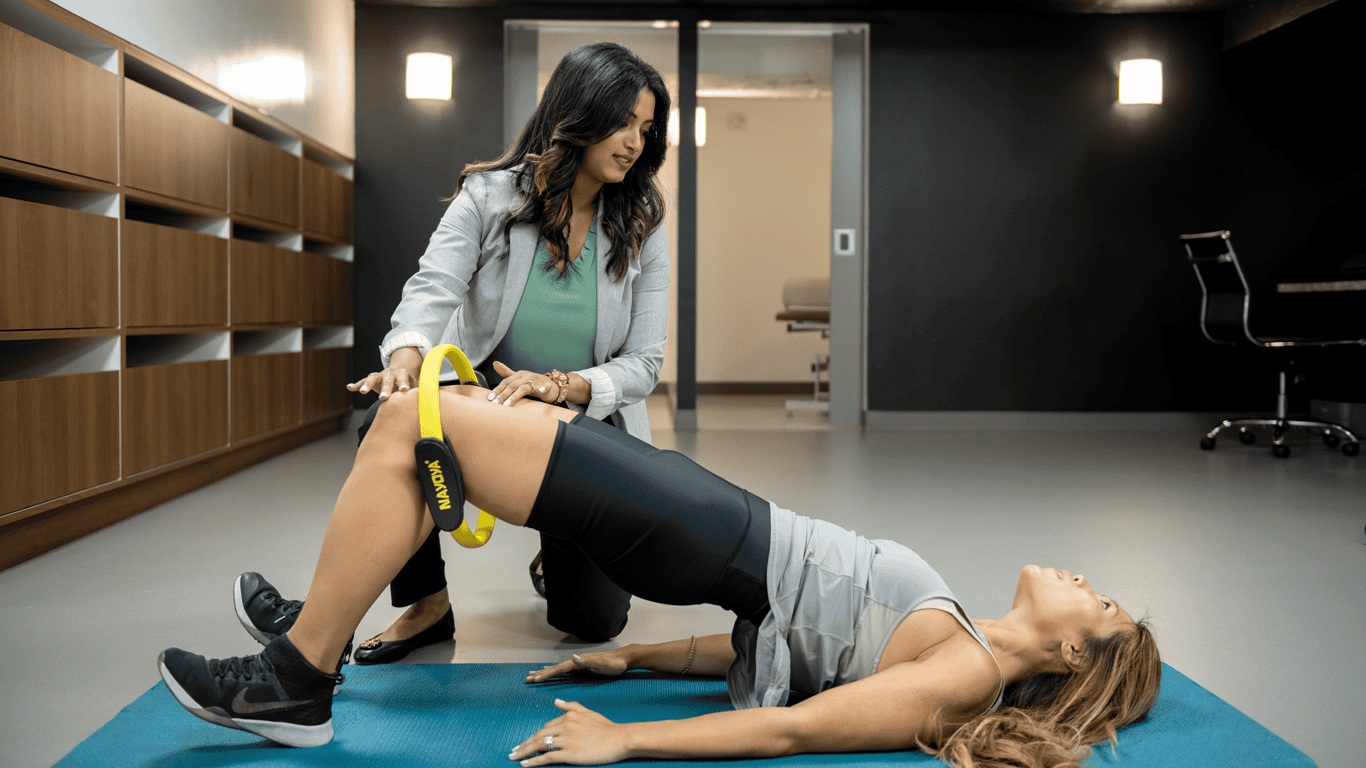
Physical therapy is a specialized healthcare profession that employs scientifically-backed techniques to restore movement and function in individuals suffering from various physical issues. The process typically begins with a detailed evaluation of the patient’s posture, movement patterns, and physical condition by a licensed physical therapist. Understanding the underlying mechanics of the musculoskeletal system allows therapists to identify not just the symptoms but also the causes of discomfort or dysfunction. Techniques employed in physical therapy include strength training, flexibility exercises, manual therapy, and modalities such as ultrasound and electrical stimulation. These interventions aim to reduce pain, improve mobility, and enhance overall health, allowing patients to pursue their daily activities without limitations.
Moreover, physical therapy is grounded in clinical evidence and its efficacy is well-documented across a range of conditions, from recovery after surgery or injury to the management of chronic diseases like arthritis. Patients can significantly benefit from personalized treatment plans, tailored to their specific needs and objectives. By focusing on functional movement patterns, rather than merely alleviating symptoms, physical therapy fosters long-term recovery and rehabilitation. This approach helps patients to build strength and resilience, often leading to improved performance in sports, work, or even just daily routines.
Transformative Outcomes: Real-Life Success Stories
One of the most compelling aspects of physical therapy is the wealth of transformative outcomes experienced by countless individuals. Consider the story of John, an avid runner living in the Financial District, who succumbed to a knee injury that threatened his passion for athletics. Following months of physical therapy guided by local practitioners, John regained not only his mobility but also his competitive edge, completing a marathon shortly after. His experience is a testament to the effectiveness of tailored rehabilitation programs that incorporate specific exercises targeting his knee while strengthening surrounding musculature. Real-life success stories like John’s demonstrate the profound impact physical therapy can have on one’s life, transforming restrictions into newfound capabilities.
Similarly, many seniors in the Financial District have reported life-altering improvements through physical therapy. For example, a resident suffering from debilitating back pain became more active after a series of targeted exercises and manual therapy techniques. This transformation allowed her to join a local hiking group, fostering social connections and enhancing her quality of life. Testimonials such as these not only underline the success of physical therapy but also illustrate its holistic nature, merging physical healing with psychological benefits.
Holistic Approaches: Beyond Traditional Rehab
Modern physical therapy extends beyond traditional practices as it incorporates holistic methods aimed at the entire well-being of patients. Many clinics in the Financial District embrace complementary modalities such as yoga therapy, mindfulness techniques, and nutritional counseling to support physical rehabilitation. This integrative approach recognizes that emotional and psychological health profoundly influences physical recovery. For example, incorporating yoga can enhance flexibility and strength, while mindfulness practices may reduce stress and improve mental clarity, both essential for healing.
Therapists often work with patients to develop holistic treatment regimens that address not only physical limitations but also encourage emotional resilience. As healthcare trends shift toward patient-centered practices, physical therapy stands out as a field that promotes a whole-person approach, emphasizing collaboration between various health disciplines to optimize recovery. Such treatments underscore the notion that achieving physical wellness is not just about addressing symptoms but fostering a balanced, healthy lifestyle that promotes lasting well-being.
Top-Rated Physical Therapy Clinics in the Financial District
A Guide to the Most Experienced Practitioners
When seeking physical therapy treatment in the Financial District, choosing the right clinic is paramount for achieving the best outcomes. The area boasts several top-rated facilities staffed by experienced practitioners who specialize in diverse rehabilitative techniques. Facilities such as XYZ Physical Therapy Center and ABC Physiotherapy Group have garnered excellent reputations through their commitment to patient care, evidenced by consistently positive reviews and testimonials.
Practitioners in these clinics often possess advanced degrees in physical therapy, along with specialized certifications in orthopedics, sports therapy, or neurology, which reflect their depth of knowledge and expertise. Their experience enables them to develop personalized treatment plans that are not solely focused on recovery but also on enhancing patients’ overall functional capacities. When looking for the right therapist, considering experiences and credentials alongside patient feedback can effectively guide your choice, ensuring you receive quality care tailored to your specific needs.
Innovative Technologies Used in Local Facilities
The landscape of physical therapy continues to evolve, driven by innovative technologies that are reshaping modern rehabilitation. Providers offering physical therapy Financial District NYC are at the forefront of this progress, integrating advanced tools such as AlterG anti-gravity treadmills, pressure wave therapy systems, and biofeedback devices into patient care. These innovations improve outcomes by allowing therapists to track progress with precision and adjust treatment plans in real time.
For example, the AlterG treadmill enables patients to walk or run with reduced body weight, making it especially beneficial for individuals recovering from surgery or injury. In addition, pressure wave therapy often known as shockwave therapy moves beyond conventional approaches by using acoustic waves to stimulate tissue repair and reduce pain. Together, these technologies help shorten recovery periods and highlight how modern advancements are elevating the effectiveness of physical therapy services in a fast-paced urban environment like New York City.
Client Reviews and Recommendations: What People Are Saying
Feedback from actual patients provides invaluable insights into the quality and effectiveness of physical therapy clinics. In the Financial District, reviews speak volumes about patient experiences, with many praising their therapists for not only their clinical skills but also for the empathy and encouragement they provide throughout treatment. Websites like Healthgrades and Yelp serve as platforms where clients share their personal journeys, offering prospective patients an unfiltered glimpse into the level of care they can expect.
One common theme in reviews is the emphasis on individualized attention and the supportive environment cultivated by clinics. Patients frequently highlight how their therapists at practices such as DEF Rehabilitation have taken the time to explain their conditions clearly, adjusting treatment plans as needed and celebrating milestones along the way. The collective feedback reinforces the importance of choosing a clinic where practitioners prioritize communication and the therapeutic relationship, ultimately leading to successful recovery outcomes.
Specialized Treatments Offered in the Financial District
Sports Rehabilitation: Tailored Programs for Athletes
For athletes and active individuals in the Financial District, specialized sports rehabilitation is a significant focus within many local clinics. Understanding the unique demands that sports place on the body, physical therapists develop tailored programs that not only facilitate recovery from injuries but also enhance athletic performance. This may involve biomechanical assessments, sport-specific training, and preventative strategies designed to protect against future injuries.
Local facilities like GHI Sports Therapy boast teams of specialists who have experience working with athletes from various backgrounds ranging from weekend warriors to elite competitors. They offer services such as functional movement screening and sports-specific agility drills, which aim to optimize performance while ensuring a safe return to activity. The blend of physical therapy with a deep understanding of sports mechanics serves athletes well, whether they engage in running, cycling, team sports, or other physically demanding activities.
Pain Management Techniques: Finding Relief in NYC
Pain management is a critical component of physical therapy services in the Financial District, where many individuals seek relief for chronic pain conditions. Clinicians employ a variety of evidence-based pain management techniques that go beyond merely masking discomfort. These approaches often encompass a combination of education, exercise, and therapeutic modalities tailored to the patient’s specific pain patterns and triggers.
Beyond traditional modalities such as manual therapy and modalities like acupuncture or dry needling, clinics also emphasize active participation in recovery. Techniques such as cognitive-behavioral therapy for pain management help patients develop coping strategies for living with chronic pain, empowering them to reclaim aspects of their lives that may have previously felt unattainable. As therapeutic understanding evolves, the focus moves from a reactive management style to a proactive, patient-centered approach that strives to alleviate pain sustainably.
Women’s Health Focus: Unique Needs and Solutions
Women’s health is a growing area of specialization within physical therapy, catering to the unique needs that arise from female biology, reproductive health, and life stages. Clinics in the Financial District are increasingly offering dedicated programs addressing conditions such as pelvic pain, prenatal and postnatal recovery, osteoporosis prevention, and urinary incontinence. Understanding that these issues deeply affect a woman’s quality of life, focused practitioners provide compassionate, informed care that aims to improve both functionality and overall wellness.
For example, during pregnancy, physical therapists can offer specialized exercises to enhance core stability, alleviate discomfort, and prepare the body for labor. Postnatally, they can assist with rehab to help regain strength and address any pelvic floor issues. These practitioners often engage in ongoing education to remain current with the latest studies and techniques affecting women’s health, ensuring patients receive the most relevant and effective treatment possible.
Navigating Insurance and Payments for Physical Therapy
Understanding Your Coverage: What to Look For
Navigating the world of insurance can be daunting, particularly regarding physical therapy. Individuals seeking treatment in the Financial District should familiarize themselves with their insurance policies to understand their coverage options fully. Most insurance plans include some degree of coverage for physical therapy, but the extent of benefits varies widely between plans. Patients should look for details such as the number of covered visits, copay amounts, and whether a referral from a primary care doctor is required.
It’s prudent to directly contact your insurance provider to confirm eligibility and inquire about any authorized facilities within the network to maximize your benefits. Clinics in the Financial District often have administrative staff trained to assist patients in understanding their insurance coverage and filing claims, simplifying the process significantly. This proactive approach not only mitigates financial surprises down the line but also aligns treatment planning with insurance capabilities, ensuring patients can focus on their recovery.
Affordable Options: Exploring Payment Plans and Discounts
Understanding that healthcare expenses can be burdensome, many physical therapy clinics in the Financial District offer payment plans and discuss financial assistance options to make care more accessible. This may include sliding scale fees based on income, promotional discounts for new patients, and package deals for a series of sessions. Patients are encouraged to speak openly with clinic administrators about their financial situations to uncover potential options that can lighten the load of therapy costs.
Additionally, some local healthcare systems may provide community resources, workshops, or free initial consultations, which can serve as crucial entry points for individuals hesitant about the costs of ongoing physical therapy. The objective is to ensure that high-quality care remains within reach for everyone seeking to improve their physical health, allowing patients to receive necessary treatment without undue financial strain.
Maximizing Benefits: Tips for Getting the Most from Your Visits
To derive the maximum benefits from physical therapy sessions, patients should actively engage in their recovery process both inside and outside the clinic. This engagement can start prior to the first appointment, where coming prepared with a detailed history of symptoms and expectations allows therapists to tailor treatments to individual needs more effectively. Patients should also communicate openly during sessions, providing their therapists feedback on what works and what does not.
Another way to maximize therapy effectiveness is to commit to at-home exercises as prescribed by your therapist. These exercises are designed to reinforce gains made during in-clinic visits and can accelerate the healing process. Additionally, maintaining open lines of communication with your therapist regarding any concerns or challenges can foster a collaborative relationship that enhances overall treatment outcomes. Lastly, keeping track of progress through journals or mobile apps can help both patients and therapists objectively recognize improvements, enabling adjustments in treatment as needed.